Optimal Conditions for Concrete Installation
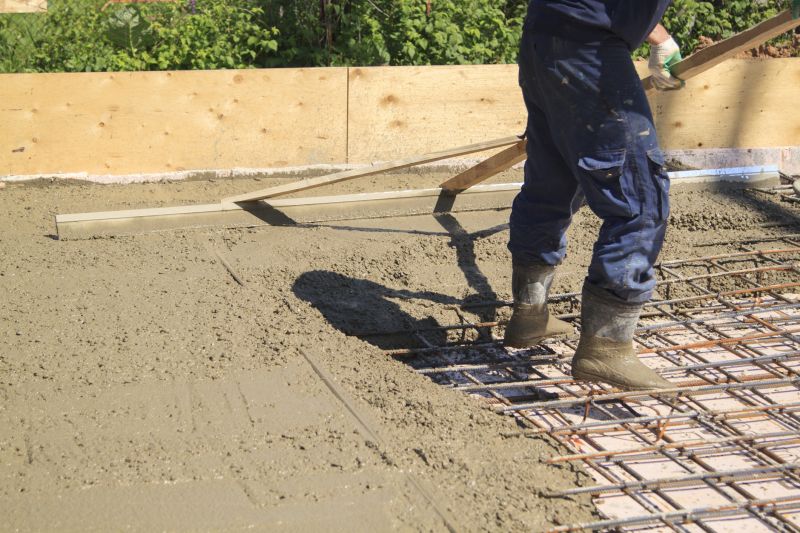
Concrete installations are most effective when performed during optimal weather conditions. Temperature, humidity, and precipitation significantly influence the curing process and the durability of the finished surface. Typically, the ideal temperature range for concrete pouring is between 50 and 85 degrees Fahrenheit.
Concrete should be poured when ambient temperatures are within the recommended range to ensure proper curing and strength development.
Heavy rain, freezing temperatures, or extreme heat can compromise the integrity of concrete, leading to cracking or improper setting.
Spring and fall often provide the most stable weather for concrete work, minimizing risks associated with temperature fluctuations.
Scheduling concrete installations during favorable weather reduces delays and ensures quality outcomes.

Ways to make Concrete Installations work in tight or awkward layouts.

Popular materials for Concrete Installations and why they hold up over time.
Simple add-ons that improve Concrete Installations without blowing the budget.

High-end options that actually feel worth it for Concrete Installations.

Finishes and colors that play nicely with Concrete Installations.

Little measurements that prevent headaches on Concrete Installations day.

A 60-second routine that keeps Concrete Installations looking new.
A frequent mistake in Concrete Installations and how to dodge it.
Concrete installations require careful timing to ensure optimal curing and structural integrity. Proper scheduling based on weather conditions can prevent common issues such as cracking, scaling, or delayed setting. Understanding seasonal patterns and climate impacts helps in planning projects that meet durability and safety standards.
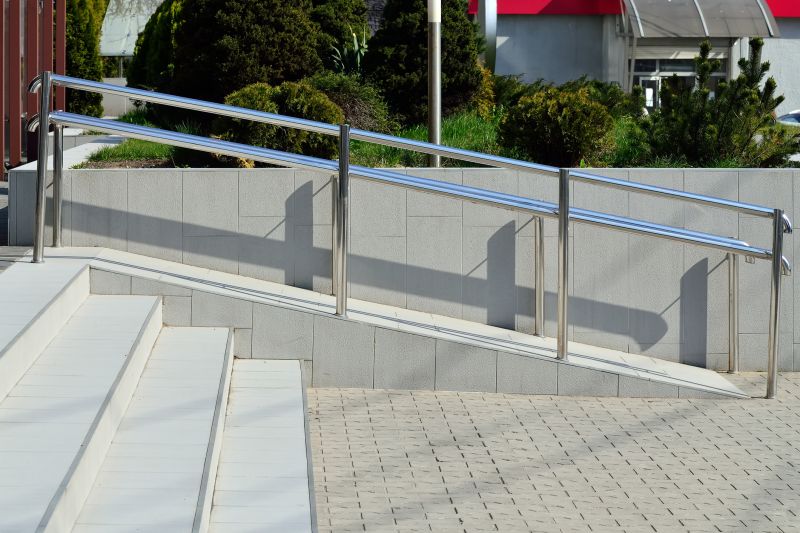
Small tweaks to make Concrete Installations safer and easier to use.
Lower-waste or water-saving choices for Concrete Installations.
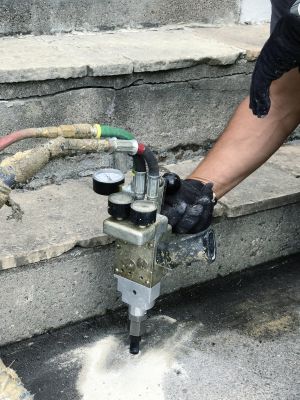
The short, realistic tool list for quality Concrete Installations.
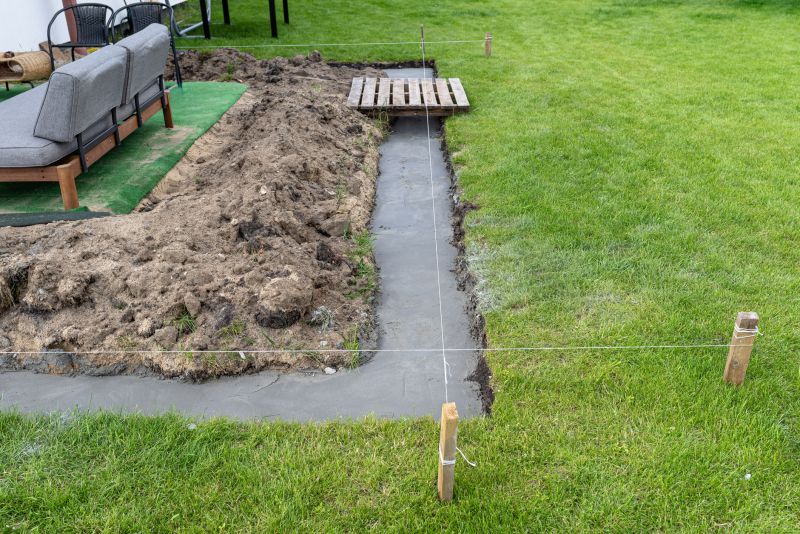
Rough timing from prep to clean-up for Concrete Installations.
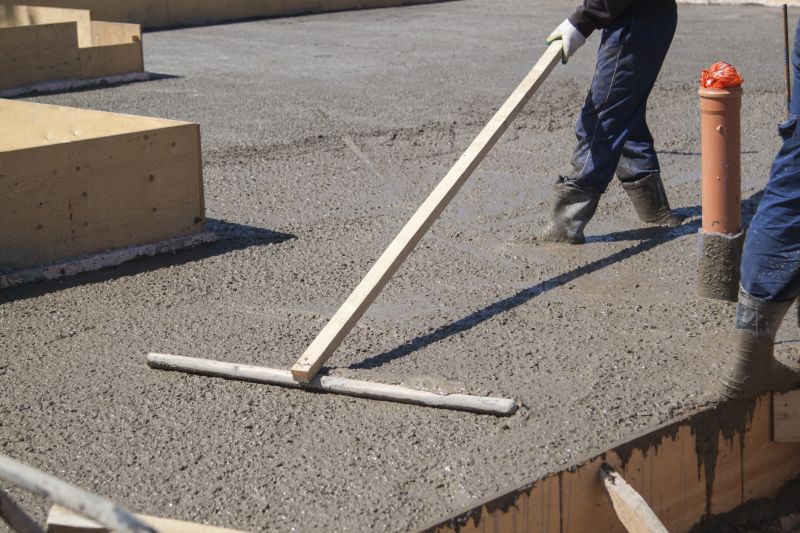
Quick checks and paperwork to keep after Concrete Installations.
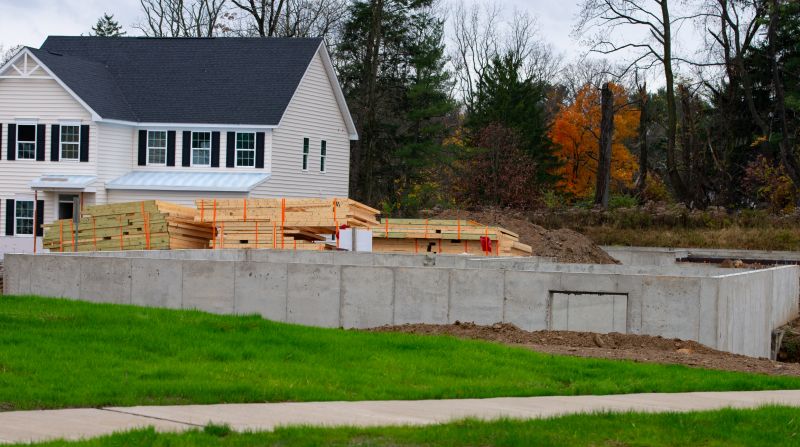
Examples that show the impact a good Concrete Installations can make.
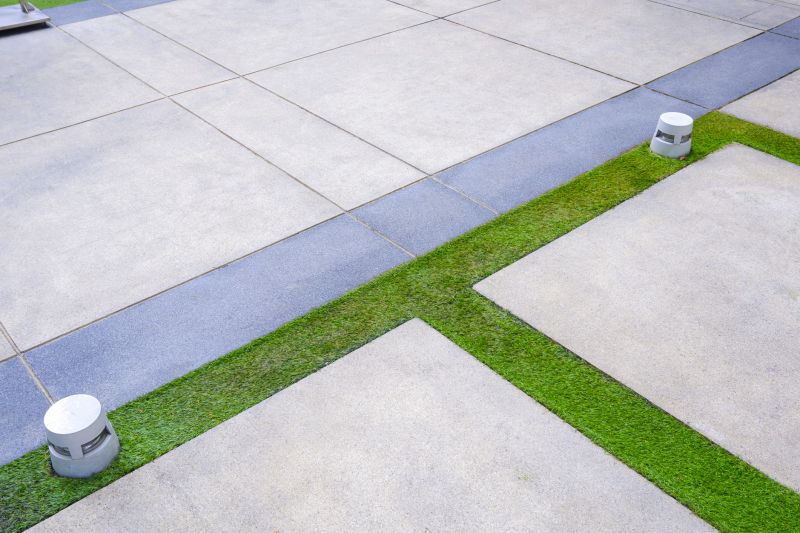
Ways to make Concrete Installations work in tight or awkward layouts.

Ways to make Concrete Installations work in tight or awkward layouts.
| Factor | Recommended Conditions |
|---|---|
| Temperature | 50-85°F (10-29°C) |
| Humidity | Moderate humidity levels |
| Precipitation | Avoid during rain or snow |
| Wind | Low wind conditions preferred |
| Season | Spring or fall for most projects |
| Time of Day | Early morning or late afternoon |